The Paleo-Hebrew script dates back to at least 1000 BCE, and has been found in archeological excavations all over the Land of Israel. It is also believed to be the original script of the Bible, and is the direct ancestor of the modern Hebrew script.
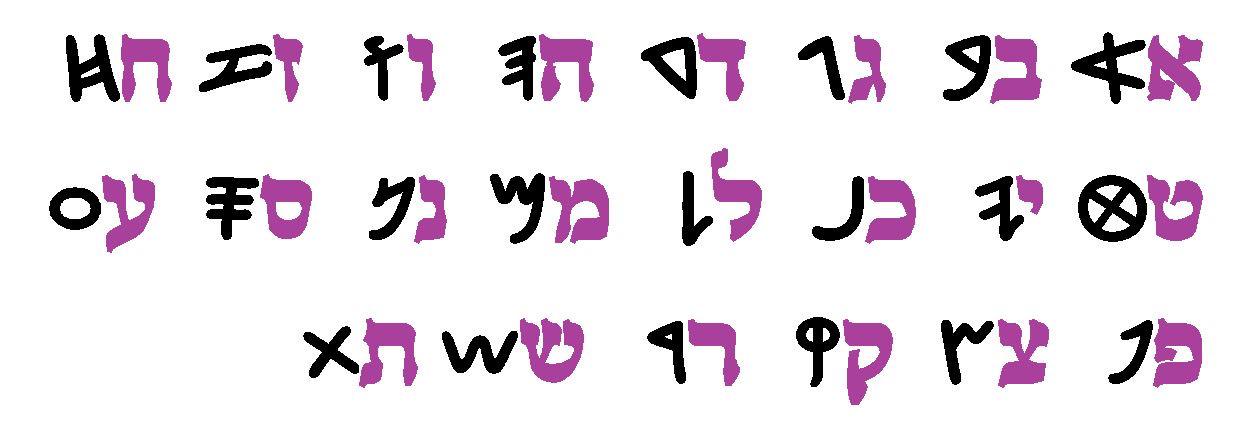


The Paleo-Hebrew script dates back to at least 1000 BCE, and has been found in archeological excavations all over the Land of Israel. It is also believed to be the original script of the Bible, and is the direct ancestor of the modern Hebrew script.
Paleo-Hebrew script is an ancient writing system used by the Israelites and Judeans before the adoption of the square Aramaic script, which later evolved into the modern Hebrew alphabet. This script is a branch of the Canaanite alphabet, which itself was derived from the earlier Proto-Sinaitic script. It is closely related to the Phoenician script, sharing many similar characters and forms.

The origins of Paleo-Hebrew script can be traced back to the early Iron Age, around the 10th century BCE. It was used primarily for inscriptions, monumental writings, and religious texts. The script was the standard writing system for the Hebrew language during the early Israelite and Judean kingdoms and continued in use until the Babylonian exile in the 6th century BCE.
Archaeological excavations have uncovered several significant examples of Paleo-Hebrew script. One of the earliest and most famous is the Gezer Calendar, dating to the 10th century BCE, which is a small limestone tablet found at Tel Gezer. The calendar is inscribed with a list of agricultural activities and is one of the oldest known examples of Hebrew writing.
Another notable discovery is the Siloam Inscription, found in the tunnel built by King Hezekiah in Jerusalem to bring water into the city. The inscription, dating to the 8th century BCE, describes the construction of the tunnel and is one of the few surviving examples of ancient Hebrew monumental writing.
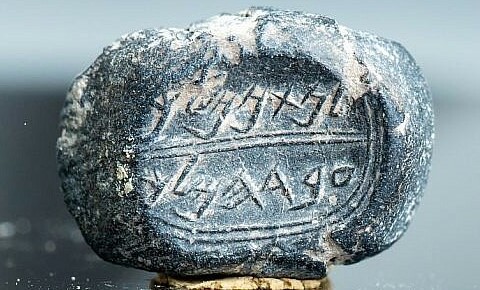
In addition to these, Paleo-Hebrew script has been found on pottery shards, ostraca, and seals in various sites throughout Israel and Judah. For example, ostraca from the ancient city of Lachish, dating to the late 7th century BCE, contain military correspondence and administrative records written in Paleo-Hebrew.
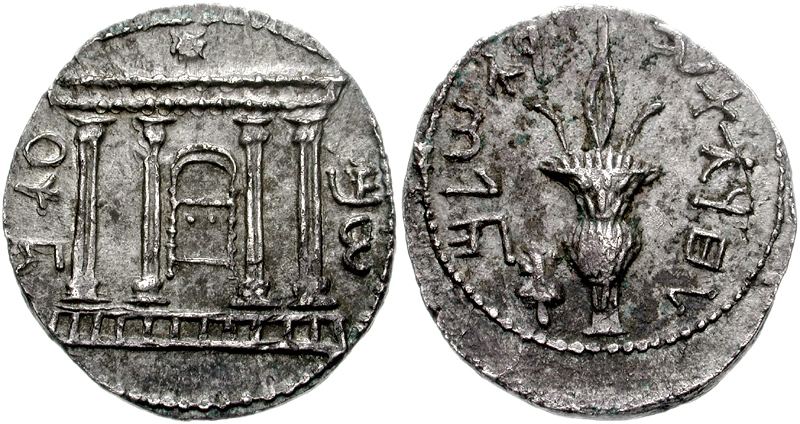
The script continued to be used even after the Babylonian exile, particularly among certain Jewish communities in the region. Coins from the Hasmonean and Bar Kokhba periods (2nd century BCE to 2nd century CE) also bear inscriptions in Paleo-Hebrew script, demonstrating its continued symbolic and cultural significance.
However, by the end of the Bar Kokhba revolt in the 2nd century CE, the use of Paleo-Hebrew script declined as the square Aramaic script became the standard for writing Hebrew. Today, Paleo-Hebrew script is studied mainly by epigraphers and historians, who continue to uncover its mysteries through ongoing archaeological discoveries. These findings provide crucial insights into the early history of the Hebrew language and the cultural practices of ancient Israel and Judah.



