Search

How Israel Rediscovered the Ancient Tekhelet Dye

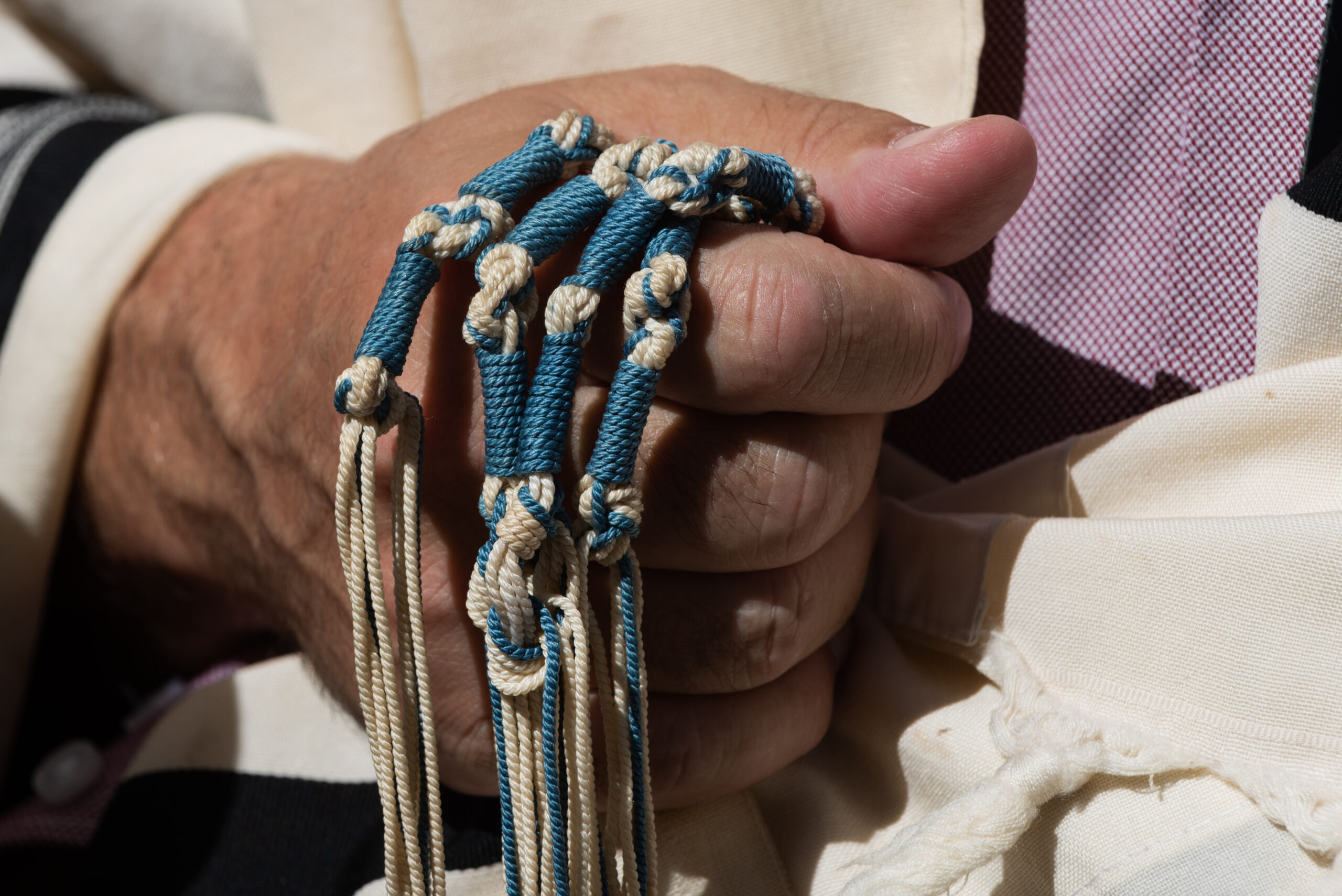
In one of the most inspiring combinations of ancient Jewish tradition and modern Israeli innovation, Israel’s scholars have rediscovered what is believed to be the long-lost blue dye mandated in the Torah for our tzitzit fringes or tallit strings.

Read more below about these special blue strings, known as tekhelet, and their incredible history and meaning!

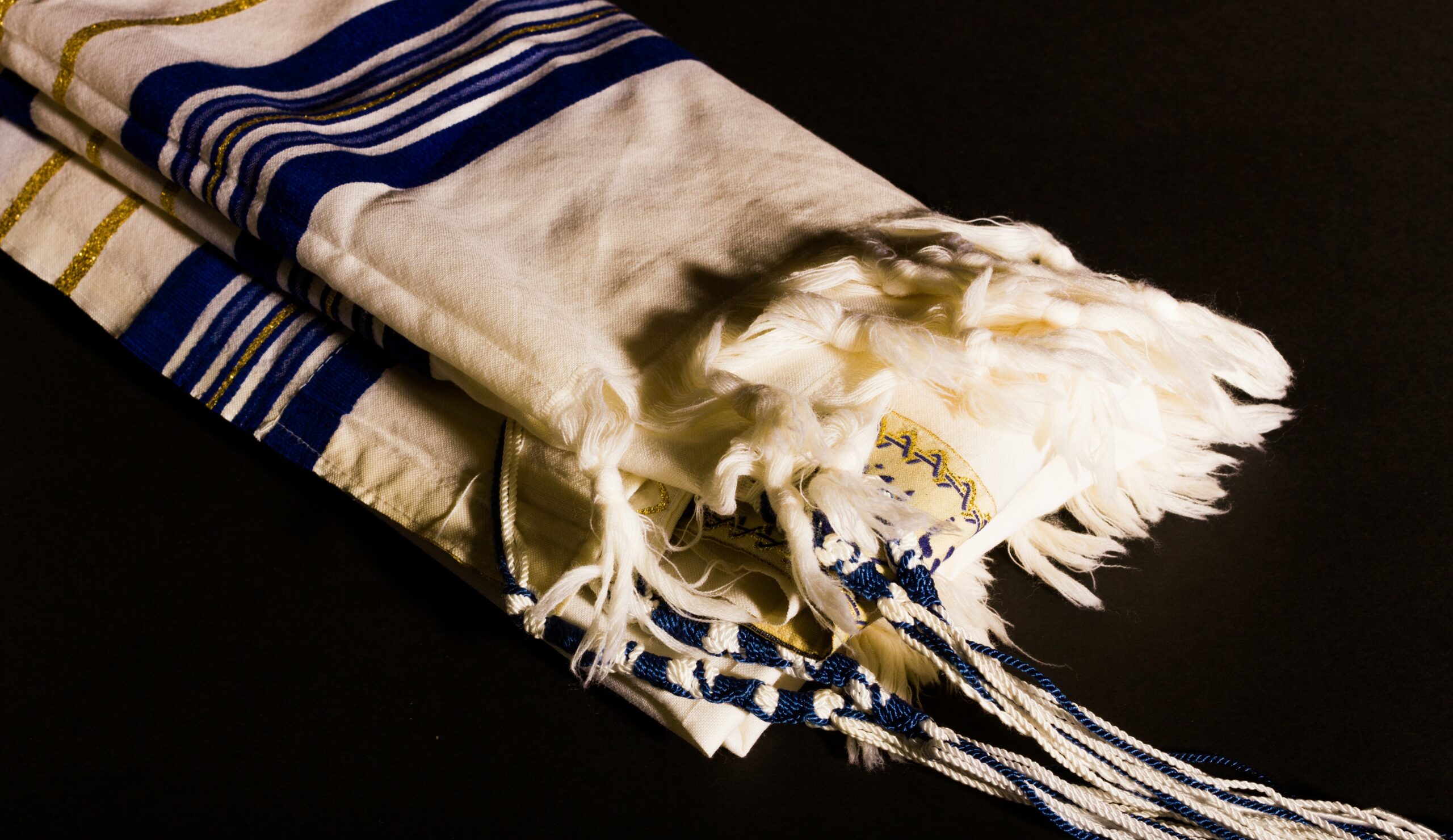
The original Biblical commandment called for adding a blue string called tekhelet to the white tzitzit fringes on one’s tallit or shirt. The exact blue dye for this string has been lost for most of Jewish history, leading to most Jews having a tradition of only wearing white tzitzit strings; however, modern Israeli scientists and rabbinic authorities have rediscovered the ancient formula, leading to real tekhelet being made once again in Israel!

While most tallits today (including the ones on our site) are made with all-white strings by default, you may purchase tekhelet separately to add to your garment yourself (or ask your rabbi to weave in the blue strings for you).

Biblical Origins & Meaning
Tallit

In the Torah, specifically in the book of Numbers (Bamidbar), God instructs Moses to command the Israelites to attach "tzitzit" or fringes to the corners of their garments as a reminder to keep the commandments and not let their hearts or eyes wander, which can lead them astray. One of the strings of the tzitzit is to be dyed with blue thread called "tekhelet" in Hebrew:

“And G-d spoke to Moses saying: Speak to the Children of Israel and tell them to make for themselves fringes on the corners of their garments throughout their generations, and they should place on the corner fringe a blue thread. And they should be your fringe, and you should see it and remember all of God’s commandments and do them and you shall not wander after your hearts and after your eyes that you profane yourselves after. In order that you will remember and do all of My commandments and so you will be holy for your God.” (Numbers 15:37-40)

The tekhelet serves as a visual reminder of the commandments given by God to the Jewish people, and is one of our most ancient and special traditions. Additionally, the deep blue color of tekhelet is also often associated with concepts of purity, holiness, and spirituality in Judaism.

btn
Tallit-2021-cat-m
How Israel Rediscovered Tekhelet
AdobeStock_531629439

We have historical evidence for ancient Israelites indeed using blue dye in their garments, by extracting it from a type of snail, and following the commandment of tekhelet. However, the Roman empire had restricted blue dye during the occupation of Judea, and particularly after the destruction of the Second Temple. Later, the Arab conquest of Israel in 639 CE is believed to have completely forced an end to the dyeing industry in Israel.

With this, the formula for the dye was lost, and Jews around the world had settled on using all-white fringes on their ritual garments in honor of the original commandment.


But, modern history has seen a resurgence of interest and significant discoveries regarding tekhelet, particularly in the Land of Israel!

After centuries of dormancy, the quest to revive the ancient tradition of tekhelet gained momentum in the late 19th and early 20th centuries. In the 1880s, Rabbi Gershon Chanoch Henech Leiner of Radzyn, also known as the Radzyner Rebbe, proposed a theory linking the "chilazon," or the source of tekhelet, to a specific species of mollusk.

Other rabbinic scholars confirmed this theory, and in the late 20th century, advancements in marine biology and historical research propelled the investigation forward. Israeli scientists investigated the proposed snail, and eventually found a way to extract a rich blue dye using a combination of scientific and halachic methods!

Subsequent years saw further breakthroughs and concrete evidence that this species of snail could indeed produce tekhelet. By the early 21st century, tekhelet research foundations in Israel had perfected the process of extracting tekhelet dye from the Murex snail and began producing it on a larger scale. In 2004, tekhelet tzitzit strings were introduced to the market, offering Jews worldwide the opportunity to fulfill the commandment of wearing tekhelet in their tallit or tzitzit.
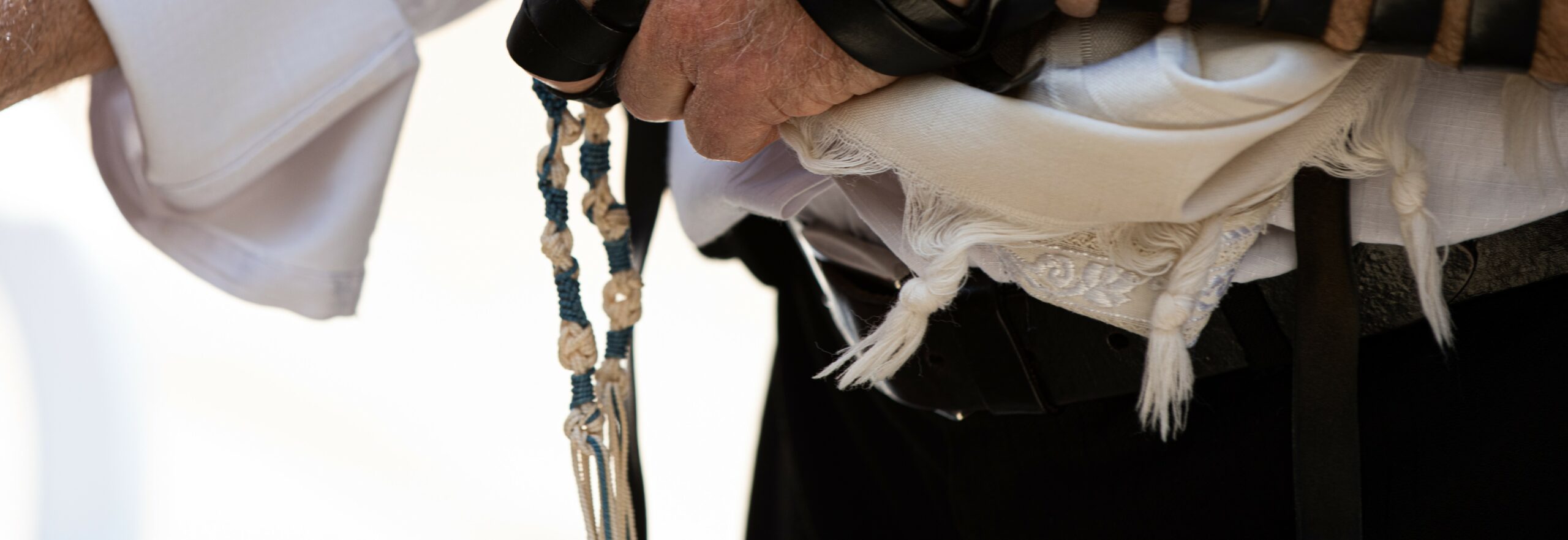


The revival of tekhelet in modern times represents a remarkable convergence of scientific research, historical scholarship, and religious devotion. It stands as a testament to the enduring legacy of Jewish traditions and the ongoing quest to preserve and revitalize them in the contemporary world.

Connect with ancient Jewish history and modern Israeli innovation by purchasing Israeli tekhelet right on our site!

And wear your Judaism loud and proud with a traditional tallit or a meaningful Jewish shirt designed right in Israel.

btn
WEAR-ISRAEL-WITH-PRIDE-24-CAT-M (1)

JWS POST YOU MAY LIKE

Jewish wedding
Jewish Wedding Traditions: What To Expect
No two weddings — let alone Jewish weddings — are alike. Depending on how religiously observant the couple and their families are, as well as their community’s minhagim (customs), proper etiquette and festivities at Jewish weddings vary wildly. However, there are a few traditions that just about every Jewish wedding will have. So as
Jewish man with tefillin close up on his left hand
The Complete Guide to Tefillin
There is something deeply profound in tying the leather strap around oneself because the simple act of doing so connects one’s arm, heart, and mind to something infinite. The Tefillin is made up of two small black leather boxes, each containing Torah scrolls that have been written by hand. They
Happy Shavuot Conversations
Shavuot: Torah, Wit, and Plenty to Discuss Over Cheesecake
Shavuot celebrates the giving of the Torah at Mount Sinai, but the conversation around the Torah never really ended. Over the centuries, many have tried to explain what makes the Torah so unique. Some with deep reverence. Others with wit. A few managed both. Here’s a little inspiration for your
cheese cake for Shavuot
7 Shavuot Recipes from Around the World
Shavuot 2026 is coming! The holiday starts at sundown on Thursday, May 21, and lasts through the following day in Israel and for two days in the diaspora. It is a widespread custom – and one of the defining features and many people’s favorite aspect of the holiday! – to
Hebrew slang
Hebrew slang words that somehow follow you home
Sunburn fades. Saying “stam” in every conversation does not. Hebrew slang has a funny way of sneaking into your vocabulary. Maybe it starts innocently with a casual “sababa” after two weeks in Tel Aviv. Then suddenly you’re saying “yalla” in traffic, throwing out an impatient “nu?” when something takes too
Jerusalem Temple Mount
Celebrating Jerusalem Day
Yom Yerushalayim (which translates to “Jerusalem Day”) is a national Israeli holiday celebrating the unification of Jerusalem, which occurred during the Six-Day War in 1967. The Israel Defense Forces had captured the parts of Jerusalem that were under Jordanian control since 1948, bringing the entire Holy City under Israeli sovereignty