Search

From Captivity to Celebration: Israel’s Hostages Are Free!

They’re Home! What the Hostage Return Means for Israel and How You Can Show Your Solidarity Wherever You Are

The return of the hostages marks one of the most emotionally charged and pivotal milestones in Israel’s recent history. After more than two years of captivity following the October 7, 2023 attack, the last 20 living hostages were freed from Gaza on October 13, 2025, as part of a ceasefire deal that now offers a moment of relief, reflection, and renewal.

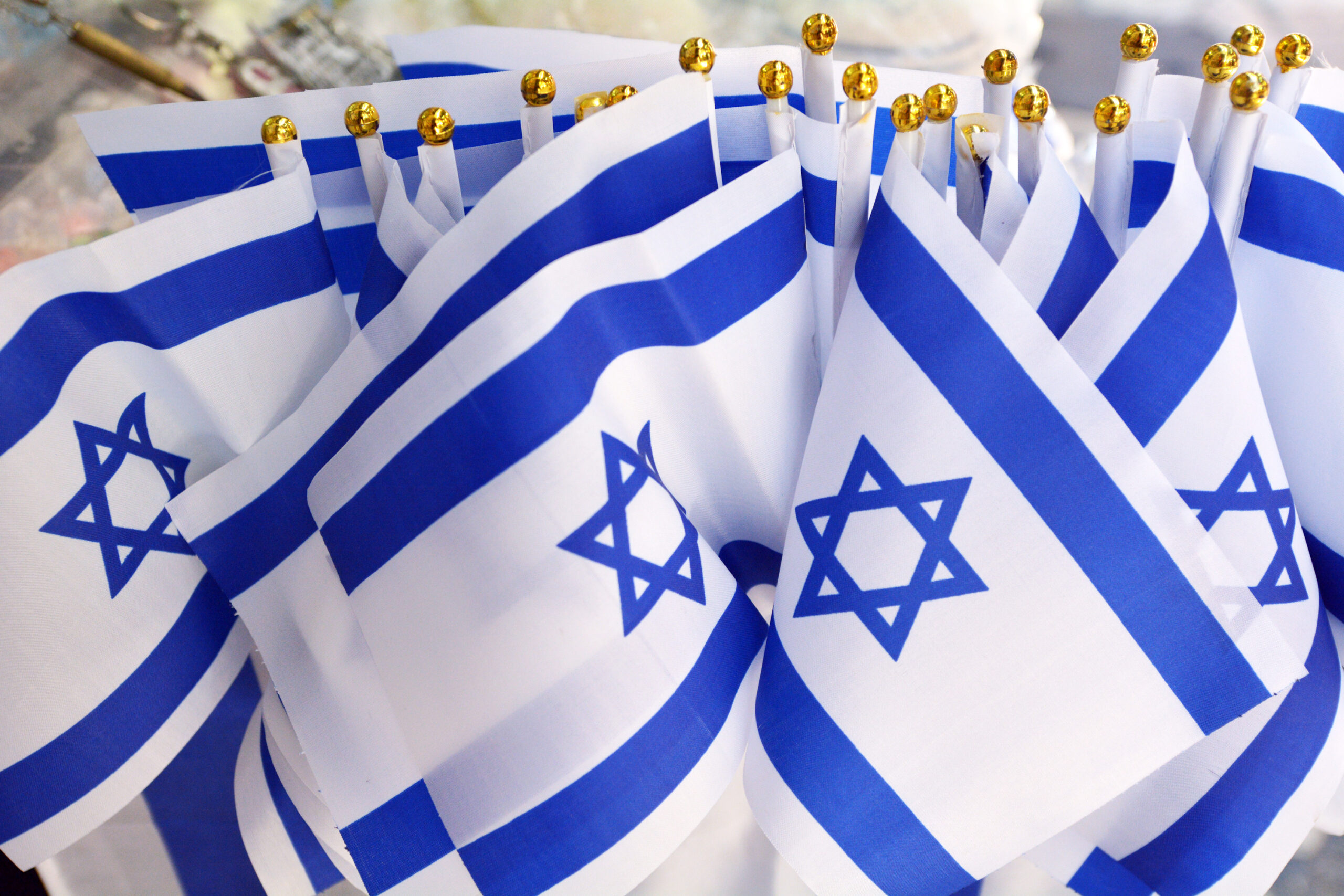
Across Israel – from Tel Aviv’s Hostages Square to kibbutzim and towns across the country – crowds have been gathering to cheer, dance, weep, and embrace. The sight of Israeli flags, yellow ribbons of hope, and signs with slogans for “home” and “peace” are memorials to those who returned and those we have lost.

For Jews and Israeli allies around the world, this moment calls for celebration, reflection, as well as action.

Israel still needs your solidarity more than ever!


A Nation’s Long Wait for Freedom
AdobeStock_606548053

Nearly two years after the horrific Hamas attacks of October 7, 2023 - the darkest day in modern Israeli and Jewish history - Israel is finally celebrating a long-awaited moment of relief.

On that horrific morning two years ago, as Israelis marked the joyous holiday of Simchat Torah, terrorists from Gaza launched an unprecedented assault and massacre, killing over a thousand civilians and kidnapping hundreds of men, women, and children. Families were torn apart, entire communities devastated, and many of the hostages remained in captivity for years.

Now, at last, following tireless negotiations and international pressure, a ceasefire agreement has brought the release of the remaining living hostages from Gaza. As part of the deal, Israel also expects to receive the remains of those who tragically did not survive, alongside a limited prisoner exchange. While the ceasefire remains fragile and the wounds are still raw, this moment represents a powerful turning point - a glimmer of hope after unthinkable pain.
The Ceasefire and What It Means

The new ceasefire agreement marks both an end and a beginning: It has enabled the hostages’ long-awaited freedom and created a temporary pause in fighting, offering families precious reunions and moments of peace. Yet challenges remain.

Several hostages are still unaccounted for, and Israel continues to face pressing humanitarian and security concerns on multiple fronts. Rebuilding ravaged communities, caring for released captives, and ensuring the safety of all Israelis are tasks that will take time, unity, and resilience.

Still, for the first time in months, Israelis can breathe a little easier. Streets once filled with anxious vigils are now alive with song, flags, and tears of both joy and remembrance. Amidst all the uncertainty, there is a renewed sense of collective strength and gratitude - a feeling that Israel’s spirit, though tested, has endured.

btn
Show your support to Israel
The Hostages’ Return: Scenes of Joy and Healing
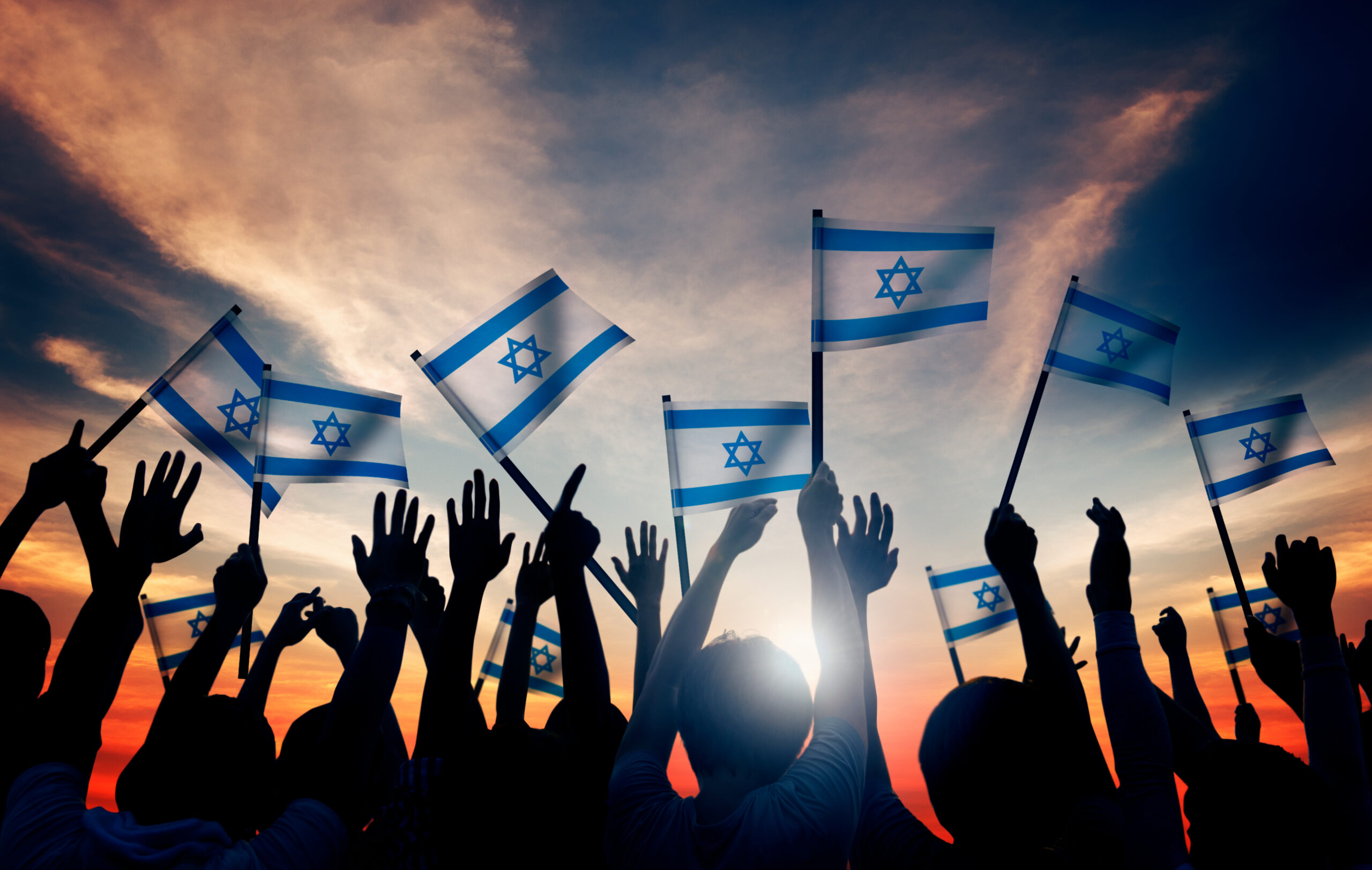
Silhouettes of People Holding Flag of Israel Concept

From Tel Aviv’s Hostages Square to Jerusalem’s Western Wall, Israelis gathered in prayer and celebration as the freed hostages began returning home. Families embraced after years apart, flags waved from balconies, and yellow ribbons - once symbols of waiting and hope - adorned trees, fences, cars, and public squares across the country.

The timing was deeply symbolic. As Israel once again marked Simchat Torah - the same holiday on which the tragedy began - many synagogues incorporated songs of thanksgiving and special prayers for the released captives. In religious communities, the holiday’s tradition of dancing with the Torah was transformed into a powerful expression of both faith, relief, joy, and Jewish resilience - a spiritual acknowledgment that even in darkness, the Jewish people find light.

And yet, the celebrations have been tempered by grief. For every home welcoming back a loved one, others still mourn. Israelis know that joy and sorrow often coexist - and that the memory of those who didn’t return must strengthen, not silence, the nation’s resolve.

btn
Israel_flag_category_mobile_24
Standing with Israel from Abroad
AdobeStock_200955282

For Jews and Israel supporters around the world, this moment is also yours to share. The global solidarity shown since October 7 has been vital — from advocacy and fundraising to community prayer gatherings and simple messages of strength.

Your continued support matters now more than ever. The returned hostages and their families will need years of physical and emotional healing. Communities in Israel are still rebuilding. And at the same time, the rise in antisemitism and anti-Israel rhetoric abroad reminds us that unity and truth are essential everywhere.

By standing proudly with Israel, sharing accurate information, and supporting Israeli communities and businesses, you help strengthen the connection between Israel and the Jewish people everywhere.

What You Can Do Today

If you’re inspired by this historic moment and want to take action, here are some meaningful ways to show your solidarity:

  • Share stories of hope — post about the hostages’ return and Israel’s resilience on social media.

  • Support recovery efforts — donate to verified Israeli charities helping released hostages and affected families.

  • Shop Israeli-made — every purchase from Israeli artists and makers helps sustain livelihoods and pride.

  • Join or organize community events — gather for prayer, celebration, or educational discussions.

  • Advocate publicly — write to representatives, join local Jewish or Israel-advocacy groups, and speak out against misinformation.

  • Educate yourself and others — stay informed, share accurate resources, and push back against antisemitism and bias.


Looking Ahead: Am Yisrael Chai

The release of the hostages is a moment of both closure and renewal. It reminds us that even after unimaginable hardship, the Jewish spirit remains unbroken.

As Israel rebuilds and the freed captives return home, our shared mission continues — to uphold the values of life, freedom, and unity that define the Jewish people. Together, in Israel and around the world, we say: Am Yisrael Chai — the people of Israel live.

btn
Am Yisrael Chai

JWS POST YOU MAY LIKE

Pomegranates for Rosh Hashanah
Why Do We Eat Pomegranates on Rosh Hashanah?
Pomegranates are a popular fruit to eat during Rosh Hashanah and a significant symbol in Judaism year-round, often gracing Judaica and Jewish jewelry. Since Rosh Hashanah 2026 begins on September 11 at sundown, now is the perfect time to learn more about the significance and symbolism of the pomegranate in Judaism and Rosh Hashanah!
Trending Jewish baby names
Top Jewish Baby Names for 2025-2026
Choosing a name is always an act of faith in the future. Across the United States and Israel, Jewish parents are looking at the challenges facing our world and responding with a beautiful expression of cultural pride. Whether it's choosing names that project fierce resilience or seeking out names that
recipe summer challah
Top Israeli Shabbat Recipes for Summer
As Israel enjoys its classically warm weather and endless sunshine, we’re bringing you our favorite recipes from Israeli kitchens for summer dishes that’ll make your Shabbat and weekend meals unforgettable!
Tu B'Av
Tu B’Av: The Jewish Love Holiday with Ancient Roots
Tu B'Av is Judaism's ancient holiday of love, but its story goes far beyond romance. Discover how the restoration of the tribe of Benjamin, and the famous vineyard dances of women in borrowed white dresses transformed the 15th of Av into one of the happiest days on the Jewish calendar.
AdobeStock_85864159-2048x1314
What is a Shofar? The Ancient Jewish Horn & Its Spiritual Meaning
What is a Shofar? A shofar (שופר) is an ancient and sacred Jewish horn instrument, most often made from a ram’s horn, which has been used by Jews for thousands of years and still has a role in Jewish life today! In modern times it is most notably used during the
Jewish cemetery
Jewish Funeral Customs Explained: Ancient Wisdom, Modern Psychology
Jewish funeral customs have guided mourners through loss for thousands of years. From aninut to shiva, shloshim, and yahrzeit, discover the meaning behind these practices and how they closely align with modern psychological insights into grief and healing.